
Important (Adults 21+ / Retailers): This article is informational only—not medical or legal advice. Always follow laws and manufacturer instructions.
- Ceramic coil cartridges use a porous ceramic matrix to wick viscous oils evenly and stabilize heating—supporting consistent flavor and fewer dry hits when tuned correctly.
- Temperature control is critical: higher coil temperatures and power settings increase carbonyl (aldehyde) formation; good designs manage power to keep temps in a safer, repeatable range. :contentReference[oaicite:0]{index=0}
- Metals can enter aerosol from heating components in some e-cig devices; design, materials, and power management all influence exposure. Ceramic wicking does not eliminate metal sources by itself. :contentReference[oaicite:1]{index=1}
- Safety frameworks: Responsible vendors align to UL 8139 (device electrical/heating/charging safety) and IEC 62133-2 (Li-ion cells/packs). Use ASTM D37 terminology for clear specs. :contentReference[oaicite:2]{index=2}
What Makes Ceramic Carts Different?
In a “ceramic cart,” the heater is bonded to or embedded within a porous ceramic element. The micro-porosity acts like a capillary sponge, moving viscous extract to the heat source evenly, which helps maintain a stable film of liquid at the coil and supports repeatable aerosol generation across puffs. Where single-fiber wicks can run dry at high demand, ceramics maintain feed rate when power is tuned conservatively.
For buyers, “ceramic” mainly affects wicking and thermal stability; it doesn’t by itself guarantee lower emissions. Emissions depend on temperature, power curve, materials, and user behavior. Multiple studies show that as coil temperature and power rise, volatile carbonyls (e.g., formaldehyde/acetaldehyde) increase sharply—so firmware and power limits matter as much as the wick. :contentReference[oaicite:3]{index=3}
Flavor & Consistency: Why Temperature Matters
Peer-reviewed work consistently links higher power → higher coil temp → more aldehydes, while also showing that coil resistance and aerosol mass tie directly to temperature and power delivery. Practically, that means devices that meter power and avoid extreme temps tend to protect flavor and reduce byproduct formation. :contentReference[oaicite:4]{index=4}
What About Metals?
Independent studies (including those led by Johns Hopkins and NIEHS-EHP) have detected chromium, nickel, lead and other metals in some e-cigarette liquids and aerosols, originating from heating coils, joints, or wires. Ceramic wicks can improve liquid delivery, but because the heater still includes metal conductors, the materials set, coil design, power management, and coil age remain crucial. Buyers should ask suppliers for materials disclosures and emissions data where available. :contentReference[oaicite:5]{index=5}
Safety & Standards to Request in 2025
- UL 8139 (device level): evaluates electrical, heating, battery and charging systems to address shock/fire and battery hazards; recognized by ANSI/SCC and referenced by regulators. :contentReference[oaicite:6]{index=6}
- IEC 62133-2 (cell/pack level): specifies requirements and tests for portable Li-ion safety under intended use and foreseeable misuse. :contentReference[oaicite:7]{index=7}
- ASTM D37 vocabulary/classification (e.g., D8376): standardizes how extract vaporizers are described in specs and RFPs. :contentReference[oaicite:8]{index=8}
Buying Guide: Matching Ceramic Carts to Your Use Case
| If you care most about… | Prioritize | Why it helps |
|---|---|---|
| Clean, repeatable flavor | Moderate power limits; ceramic heater with even wicking; consistent resistance | Even liquid film reduces hot spots and carbonyl spikes at high draw rates. :contentReference[oaicite:9]{index=9} |
| Lower metal exposure risk | Materials disclosure; emissions data; conservative power curves; quality control on coils | Metals can originate from heating components; design and power management matter. :contentReference[oaicite:10]{index=10} |
| Regulatory diligence | UL 8139 device evaluation + IEC 62133-2 cell/pack; ASTM D37 terminology in documentation | Creates a clearer safety and compliance evidence trail. :contentReference[oaicite:11]{index=11} |
Compare Product Families (Examples)
Use these links to explore specifications and finishes. Always verify safety files and request model-specific documentation.
- empty cartridges bulk — hardware-only options for licensed fillers; ask for UL 8139/IEC 62133-2 evidence for paired devices and batteries. :contentReference[oaicite:12]{index=12}
- ceramic carts — prioritize stable power delivery and porous ceramic specs for thick oils.
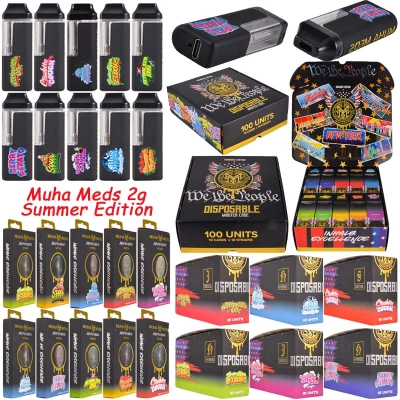
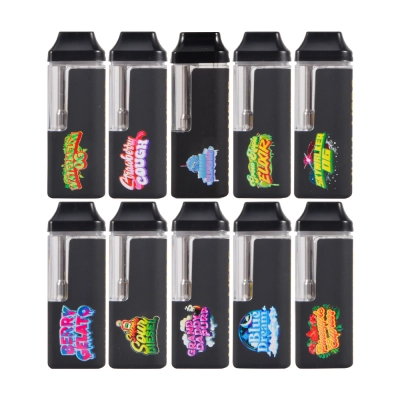
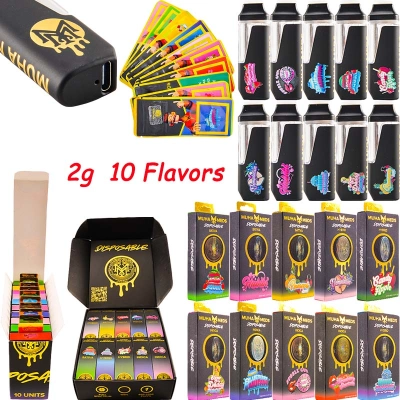
- muha meds carts — review heater type, resistance, and charging/power logic for paired disposables.
- tko carts — confirm materials list and coil construction; request emissions data if available. :contentReference[oaicite:13]{index=13}
- krt carts — check for batch-level QA and resistance tolerances to keep power within target range.
Set-Up & Use Tips (to Protect Flavor)
- Prime gently: allow a few minutes after filling (or first unseal) so the ceramic saturates fully.
- Start low: begin at the lowest power/voltage and increase slowly—studies show higher power raises aldehydes. :contentReference[oaicite:14]{index=14}
- Avoid chain hits: leave a short pause between puffs so the ceramic re-wicks and coil temperature stabilizes. :contentReference[oaicite:15]{index=15}
- Watch coil age: aging and deposits can change temperature behavior; replace carts when flavor declines. :contentReference[oaicite:16]{index=16}
FAQ
Are ceramic carts “safer” than cotton-wick carts?
Ceramics improve wicking and thermal stability, which can help avoid hot, dry hits. But safety depends on temperature control, materials, and overall device design; some studies find metals in aerosols from heating components regardless of wick type. Ask for materials and emissions data, plus UL/IEC evidence for the paired device and battery. :contentReference[oaicite:17]{index=17}
Which standards should vendors meet?
Request UL 8139 device evaluation and IEC 62133-2 battery documentation; use ASTM D37 classification to keep terminology consistent across contracts and QA. :contentReference[oaicite:18]{index=18}
Bottom Line
Ceramic coil technology enhances flavor consistency and performance by improving wicking and stabilizing heat—when paired with sensible power limits and quality materials. If you’re sourcing at scale, use a standards-first checklist (UL 8139, IEC 62133-2, ASTM D37) and demand model-specific documentation. Then compare options across families like empty cartridges bulk, ceramic carts, muha meds carts, tko carts, and krt carts—prioritizing proof over promises. :contentReference[oaicite:19]{index=19}
Sources last checked September 25, 2025.
::contentReference[oaicite:20]{index=20}



0 Comments