
Adults 21+ / Compliance note: This guide discusses hardware and compliant markets only. In the U.S., FDA’s 2024 final rule requires retailers to verify photo ID for anyone under 30 and prohibits sales of covered tobacco/ENDS products to anyone under 21. :contentReference[oaicite:0]{index=0} Public-health agencies also warn against THC vaping products from informal or illicit sources. :contentReference[oaicite:1]{index=1}
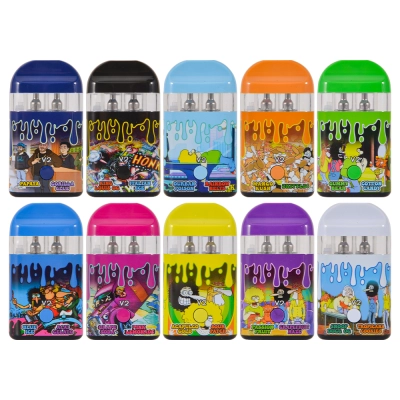
- Standard devices & branding hub: krt disposable vape
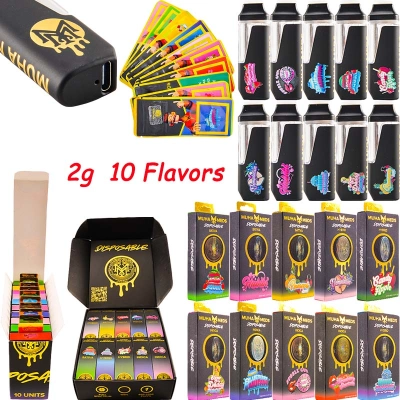
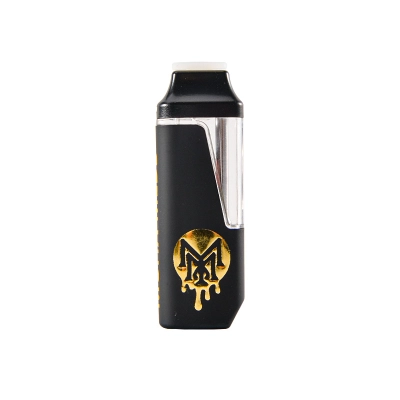
- 2 g postless-style model: krt 2 gram disposable
- Bulk / OEM / shells: empty krt
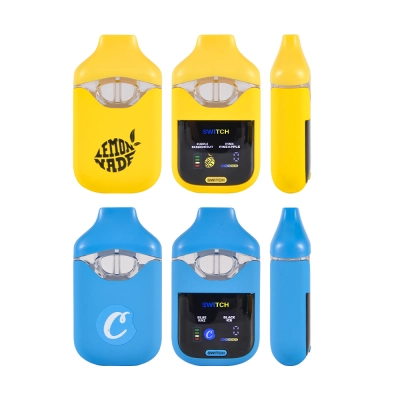
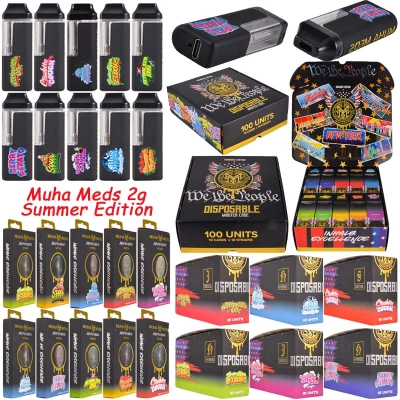
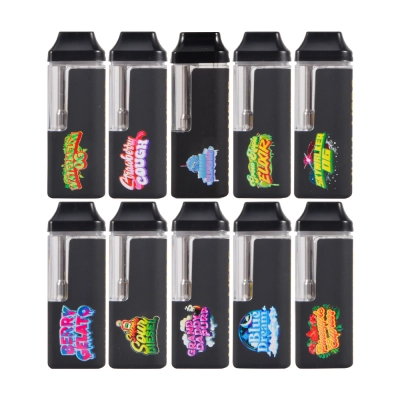
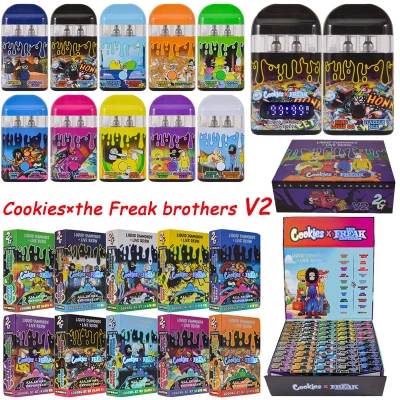
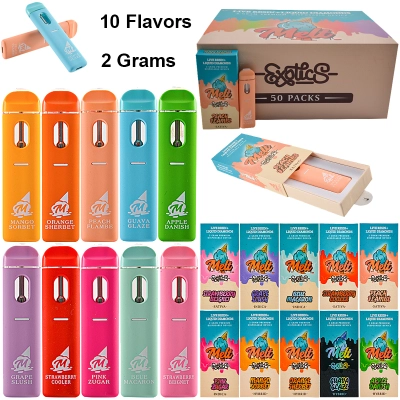
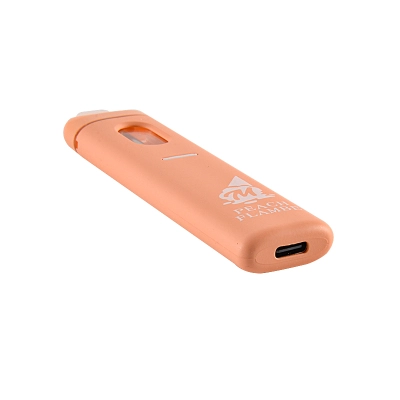
KRT-branded 2 g disposables have become a go-to option for shops and consumers who want longer runtime, modern industrial design, and reliable performance in legal markets. This guide breaks down how KRT-style 2 g hardware is typically built, how to use it correctly, and what retailers, distributors, and informed consumers should check from a safety and regulatory standpoint—without the hype.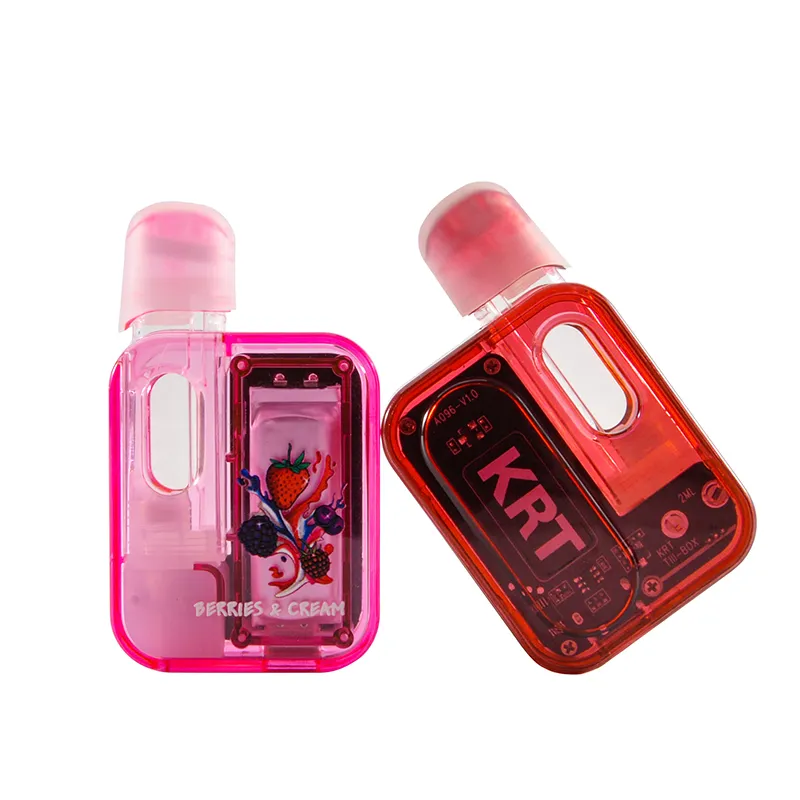
1. Key Features of KRT 2G Disposable Hardware
When you’re evaluating a krt disposable vape lineup or a specific krt 2 gram disposable design, focus on the engineering signals that actually affect performance:
- 2 g capacity: Larger reservoir means fewer device swaps and better cost-per-gram potential, assuming responsible power settings.
- Postless / no-center-post architecture (on certain models): In “without central post” versions, contact paths and intakes are re-routed for improved airflow and interior volume. This can reduce leakage pathways and help with thick oils when matched to proper intake sizes.
- Ceramic or mesh-ceramic coils: Widely used in modern disposables for even heating and compatibility with high-viscosity formulations.
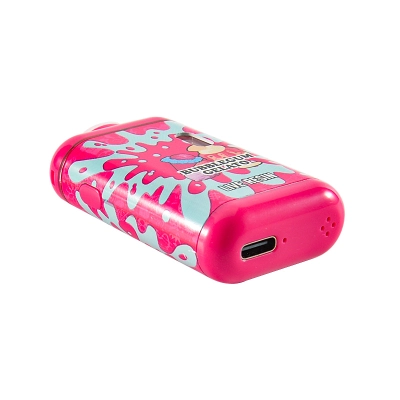
- Rechargeable battery (commonly via USB): Prevents losing remaining oil to a dead cell—critical for 2 g formats.
2. How 2G Design Changes Your Usage (Power, Puffs & Performance)
“2 g” doesn’t automatically mean “twice as strong.” It means more material is available, and how efficiently you use it depends on the physics:
- Power vs. aerosol: Independent ENDS research shows a strong positive relationship between device power and aerosol mass per puff—higher wattage delivers denser hits but drains liquid faster and increases thermal stress. :contentReference[oaicite:2]{index=2}
- Puff topography: Studies highlight puff duration, volume, and rest time as major drivers of exposure. Long, aggressive draws and rapid chain-puffing accelerate consumption and can degrade flavor. :contentReference[oaicite:3]{index=3}
To get consistent performance from a KRT 2 g platform, aim for controlled, repeatable usage instead of maxing every setting.
3. Best Practices to Maximize Your KRT 2G Disposable
Optimize your draw
- Use 3–5 second, steady mouth-to-lung draws rather than hard lung hits.
- Leave 20–30 seconds between puffs to allow the coil and wick to recover.
- If the shell feels hot, pause—heat buildup is a signal you’re pushing it too hard.
Respect storage conditions
- Store devices upright at room temperature (about 18–25°C / 64–77°F).
- Avoid hot cars, direct sun, or freezing environments that can thicken or thin oils and stress seals.
Match device to use case
| Use case | Recommended KRT path | Why it fits |
|---|---|---|
| Everyday long runtime | krt disposable vape in 2 g format | Fewer replacements, smooth daily carry when used at moderate power. |
| High-viscosity / postless preference | krt 2 gram disposable (no center post) | Streamlined airflow and internal geometry for thick oils and modern designs. |
| OEM / white-label projects | empty krt | Lets licensed processors fill locally while leveraging KRT-style hardware for specific regions. |
4. Safety & Quality: What Serious Buyers Should Demand
Device-level safety
If you are sourcing rechargeable KRT-style 2 g disposables in bulk, request documentation aligned with recognized standards:
- UL 8139 (2nd Edition, April 26, 2024): Evaluates electrical, heating, battery, and charging systems for e-cig/vape devices; recognized by ANSI and SCC as an industry benchmark. :contentReference[oaicite:4]{index=4}
Lithium battery transport
For international and U.S. domestic logistics:
- Ensure each battery design has a UN 38.3 Test Summary that meets the standardized elements outlined in PHMSA’s July 2024 guidance. :contentReference[oaicite:5]{index=5}
- Ship in compliance with 49 CFR lithium packaging and marking rules (or equivalent ADR/IATA rules in EU/global lanes).
Geo-logic: U.S., EU & other regions
- United States: Follow FDA Tobacco 21 rules; confirm your local state cannabis or hemp regulations where KRT-style devices are paired with filled product.
- European Union / UK: Hardware must align with battery, WEEE, and product-safety rules; any nicotine or cannabinoid content must follow TPD or local frameworks.
- Canada & others: Check national regulations on device approvals, advertising, and THC/nicotine content; use empty krt hardware only within licensed supply chains.
5. Authenticity & Source Control
FDA and CDC reports on past lung injury outbreaks stress that many severe cases were linked to THC products from informal sources. :contentReference[oaicite:6]{index=6} For KRT-branded 2 g disposables, that means:
- Source through verified wholesale partners and documented supply chains.
- For filled products in legal cannabis markets, insist on up-to-date COAs from accredited labs.
- Avoid any unverified “refill” schemes or aftermarket modifications of sealed KRT devices.
6. Simple Testing Protocol for Shops & Power Users
→ Take 3–5 s steady draws
→ Rest 20–30 s between puffs
→ Track puff count until flavor drops or cutoff
→ Log any leaks, misfires, or overheating
This mirrors how labs standardize puff topography and lets you compare different KRT 2 g batches or empty krt-based OEM runs on equal footing.
Word count: ~960. Sources checked November 2025.
::contentReference[oaicite:7]{index=7}



0 Comments