
Adults 21+ / B2B readers: This guide is informational, not legal advice. U.S. retailers of nicotine products must comply with FDA Tobacco-21, including photo-ID checks for anyone under 30 (effective Sept. 30, 2024). :contentReference[oaicite:0]{index=0}
- “2G” capacity ≈ 2 grams (~2,000 mg) of fill. How long a device lasts depends more on power setting and puff behavior than capacity alone—higher voltages and longer puffs burn through liquid faster. :contentReference[oaicite:1]{index=1}
- Safety first: look for device evaluation to UL 8139 and battery documentation to IEC 62133-2 when vetting rechargeable disposables. :contentReference[oaicite:2]{index=2}
- Shipping readiness: lithium cells must pass UN38.3; packaging/marking must meet 49 CFR 173.185. Keep a test summary available for carriers and customers. :contentReference[oaicite:3]{index=3}
- Cannabis programs (where applicable): California DCC requires products be in final, labeled form before distributor transfer and state testing—useful as a strict baseline. :contentReference[oaicite:4]{index=4}
What Does “2G” Really Mean?
In listings, a 2g disposable vape (also “2 gram disposable vape”) refers to nominal fill mass; it doesn’t lock in the number of puffs. Laboratory and clinical work consistently show that higher power and longer draw times drive far greater aerosol output per puff, which shortens device lifespan. :contentReference[oaicite:5]{index=5}
How Long Will a 2G Disposable Last?
- Power setting matters. As wattage rises, aerosol mass and carbonyl emissions increase; sensible power ceilings protect flavor and extend runtime. :contentReference[oaicite:6]{index=6}
- Puff topography matters. Studies document large swings in delivered aerosol based on puff length and count; user style is the biggest variable. :contentReference[oaicite:7]{index=7}
- Device feedback helps. Models with screens/counters can make pacing easier, though counters and self-reports don’t always align perfectly. :contentReference[oaicite:8]{index=8}
Safety & Compliance: The 2025 Checklist
| Layer | What to Verify | Why It Matters |
|---|---|---|
| Device electrical system | UL 8139 evaluation for electrical, heating, battery, and charging systems | Widely recognized by ANSI/SCC; helps mitigate shock, fire, and battery hazards. :contentReference[oaicite:9]{index=9} |
| Battery cell/pack | IEC 62133-2 documentation matching the exact pack/cell used | International baseline for portable Li-ion safety. :contentReference[oaicite:10]{index=10} |
| Transport (all carriers) | UN38.3 test summary available; 49 CFR 173.185 packaging/marking | Required for shipment acceptance and insurance; PHMSA highlights the test-summary expectation. :contentReference[oaicite:11]{index=11} |
| Retail age controls (ENDS) | FDA Tobacco-21: photo-ID for customers under 30; 21+ sales only | Final rule and FDA page updated in 2024–2025. :contentReference[oaicite:12]{index=12} |
| CA cannabis programs | Final packaged & labeled form before distributor transfer/testing | Clear baseline from CA DCC checklists and notices. :contentReference[oaicite:13]{index=13} |
Top Product Families to Start Your Shortlist
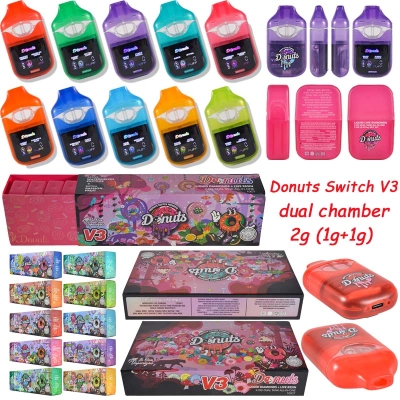
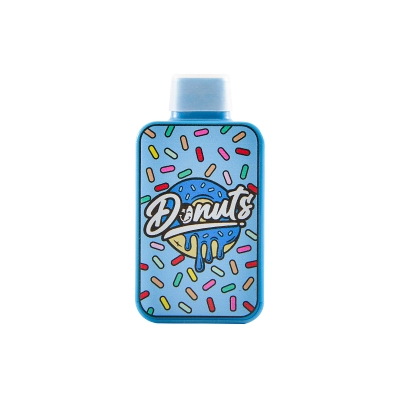
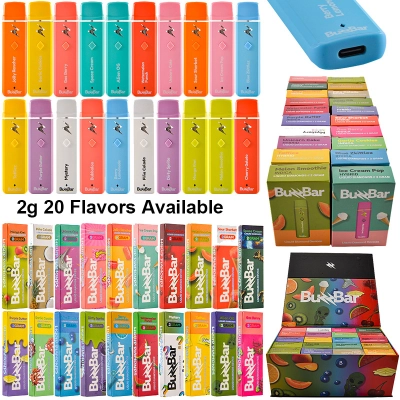
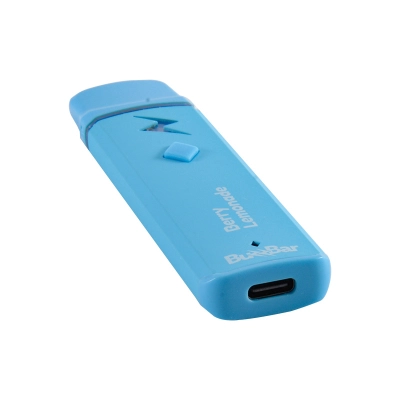
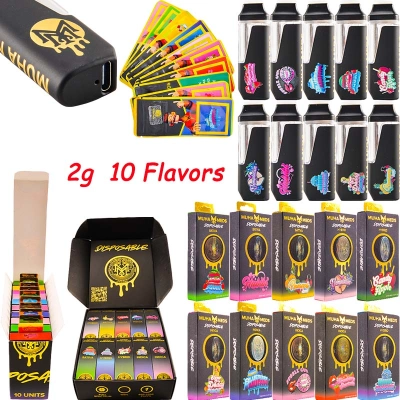
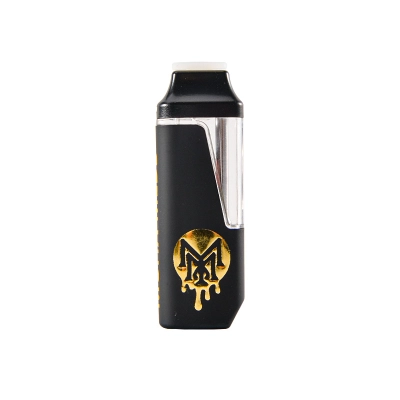
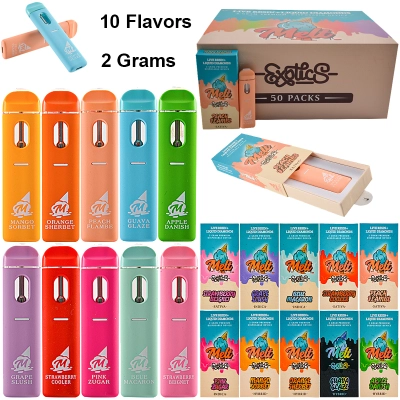
The three examples below represent common 2G approaches—dual-chamber with analytics, flavor/viscosity-friendly single-chamber, and a general 2G category hub. Always request model-matched safety and battery documents before purchasing.
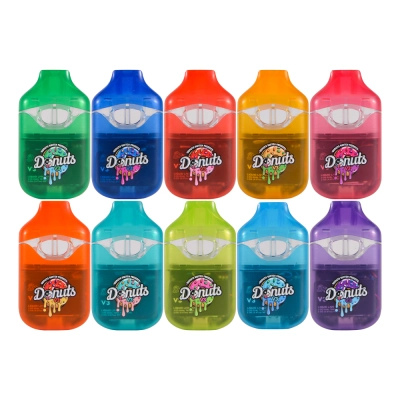
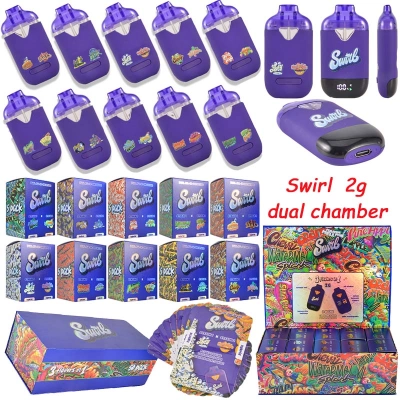
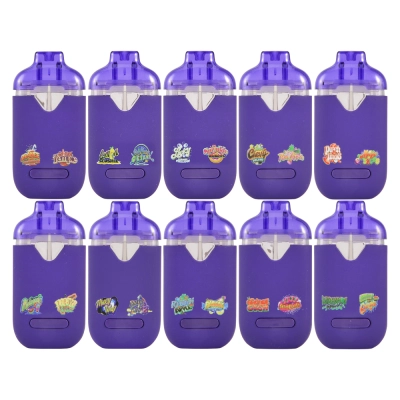
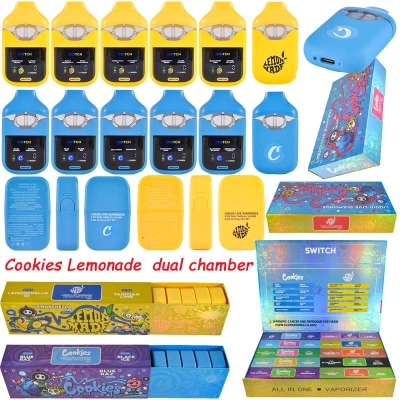
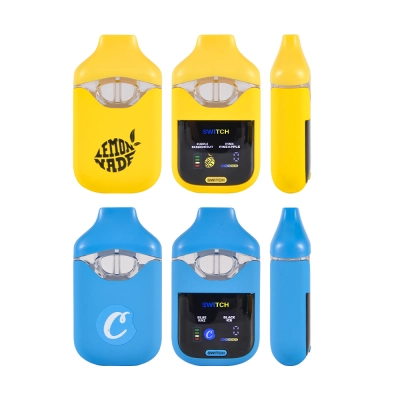
1) Swirl 2G — Dual-Chamber + Screen
Designed for switching or blending between two chambers with on-device data for pacing and battery status. A good fit if you want variety in a single device and clearer session feedback.
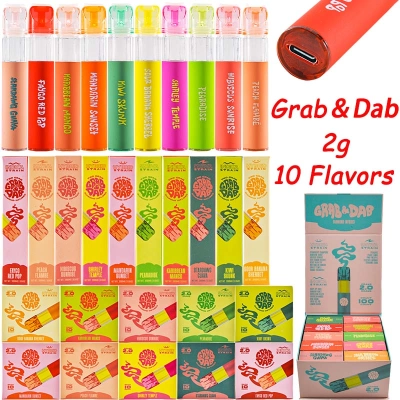
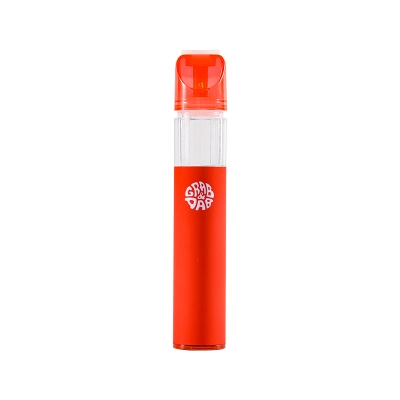
2) Grab & Dab 2G — Flavor/Viscosity-Friendly
Single-chamber builds emphasizing ceramic/mesh heating and stable wicking for thicker oils. Prioritize conservative power curves to protect flavor and runtime. :contentReference[oaicite:14]{index=14}
3) Category Hub — Compare Multiple 2G SKUs
Browse a wider range of housings, mouthpiece styles, and charging options; capture exact SKUs and request UL/IEC files for each candidate model you plan to stock.
How to Compare “Value” Beyond Puff Counts
Instead of relying on marketing puff numbers, use a simple value model:
Remember to amortize compliance work (UL/IEC review) and UN38.3/49 CFR packaging into freight/hazmat costs for a true landed comparison. :contentReference[oaicite:15]{index=15}
Quick Usage Tips to Maximize Runtime & Flavor
- Start low, step up slowly. Lower power extends runtime and reduces carbonyl formation; raise only if the oil demands it. :contentReference[oaicite:16]{index=16}
- Mind draw length. Short, steady puffs consume less liquid per session than long pulls—topography studies show large differences in output. :contentReference[oaicite:17]{index=17}
- Store and ship smart. Keep devices away from heat; for bulk shipments, confirm UN38.3 test summaries and 49 CFR 173.185 packaging with your 3PL. :contentReference[oaicite:18]{index=18}
FAQ
Is a 2G device automatically “better” than 1G?
Not necessarily. Capacity helps, but power settings and puff behavior dominate runtime and flavor outcomes. Evaluate safety files (UL 8139, IEC 62133-2) and choose a power profile that fits your style. :contentReference[oaicite:19]{index=19}
What paperwork should wholesalers keep on file?
UL 8139 device evidence, IEC 62133-2 battery documentation, a UN38.3 test summary, and 49 CFR 173.185 packaging details. Retailers of ENDS should implement Tobacco-21 ID-under-30 checks. :contentReference[oaicite:20]{index=20}
Bottom Line
2-gram disposables can deliver long, consistent sessions—if the device runs sensible power levels and comes with the right safety paperwork. Start your shortlist with swirl 2g disposable, grab and dab 2g disposable, and the broader 2g disposable vape category—then compare value using landed-cost math and keep UL 8139, IEC 62133-2, UN38.3/49 CFR, FDA Tobacco-21, and (if applicable) CA DCC requirements in the mix. :contentReference[oaicite:21]{index=21}
Sources last checked October 2025.
::contentReference[oaicite:22]{index=22}



0 Comments